Ποιος χρονολόγησε Άλυς της Γαλλίας, κόμισσα του Βεξίν;
Richard I of England dated Άλυς της Γαλλίας, κόμισσα του Βεξίν from ? until ?. Η διαφορά ηλικίας ήταν 3 χρόνια, 0 μήνες και 19 ημέρες.
Ερρίκος Β΄ της Αγγλίας dated Άλυς της Γαλλίας, κόμισσα του Βεξίν from ? until ?. Η διαφορά ηλικίας ήταν 27 χρόνια, 6 μήνες και 22 ημέρες.
Άλυς της Γαλλίας, κόμισσα του Βεξίν
Η Άλυς της Γαλλίας, κόμισσα του Βεξίν ("Alys of France, Countess of Vexin", 4 Οκτωβρίου 1160 - 1220) ήταν δεύτερη κόρη του βασιλιά της Γαλλίας Λουδοβίκου Ζ´ και της δεύτερης συζύγου του Κωνσταντίας της Καστίλης, μεγαλύτερες ετεροθαλείς αδελφές της Άλυς ήταν η Μαρία της Γαλλίας (1145-1198) και η Αλίκη της Γαλλίας (1150-1197), αμέσως μετά την γέννηση της οι γονείς της χώρισαν, για να παντρευτεί αμέσως μετά ο πατέρας της στον τρίτο του γάμο την Αδέλα της Καμπανίας, από την οποία γεννήθηκε ο διάδοχος και κορυφαίος Γάλλος βασιλιάς Φίλιππος Β' Αύγουστος.
Διαβάστε περισσότερα...Richard I of England
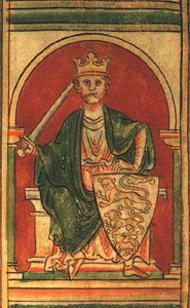
Ο Ριχάρδος Α΄ της Αγγλίας (γαλλ. Richard Ierd’Angleterre, 8 Σεπτεμβρίου 1157 - 6 Απριλίου 1199), γνωστός ως Ριχάρδος ο Λεοντόκαρδος (Richard Cœur de Lion), από τον Οίκο των Πλανταγενετών-Ανζού ήταν βασιλιάς της Αγγλίας (1189 - 1199). Διετέλεσε επιπλέον Δούκας της Νορμανδίας, Δούκας της Ακουιτανίας, Δούκας της Γασκώνης, Λόρδος της Κύπρου, Κόμης του Πουατιέ, Δούκας του Ανζού, Κόμης της Νάντης και κυρίαρχος της Βρετάνης σε διάφορες χρονικές περιόδους.
Ονομάστηκε Λεοντόκαρδος λόγω του θάρρους του στο πεδίο της μάχης. Ήταν τρίτος γιος και διάδοχος του Ερρίκου Β΄ της Αγγλίας και της Ελεωνόρας της Ακουιτανίας, από τους ηγέτες της Γ΄ Σταυροφορίας και ένας από τους διασημότερους μονάρχες της μεσαιωνικής Ευρώπης. Ο τροβαδούρος Μπέρτραντ του Μπορν τον αποκαλεί "Ριχάρδος ο Οξενόν" που μεταφράζεται ως "Οξιτανός και Ναι και Όχι" χάρη στην τάση που είχε για λιτότητα. Σε ηλικία μόλις 16 ετών ανέλαβε την διοίκηση του στρατού και υπέταξε επαναστάσεις στο Πουατού εναντίον του πατέρα του. Ο Ριχάρδος ο Λεοντόκαρδος ήταν εξαιρετικός στρατιωτικός διοικητής στην Γ΄ Σταυροφορία, ο κορυφαίος μετά την αναχώρηση του Φιλίππου Β΄ της Γαλλίας. Οι νίκες του επί του Σαλαντίν ήταν σημαντικές αν και η εκστρατεία έληξε με συνθήκη ειρήνης με την οποία αναγνώρισε ότι δεν ανακατέλαβε την Ιερουσαλήμ. Ο Ριχάρδος μιλούσε εξίσου καλά τα γαλλικά και τα οξιτανικά. Στην παιδική του ηλικία έζησε στην αυλή του πατέρα του στην Αγγλία, στην εφηβεία του έζησε στο Δουκάτο της Ακουιτανίας όπου πέρασε την εφηβεία του. Με την άνοδο του στον θρόνο έζησε στην Αγγλία μόλις 6 μήνες, τον περισσότερο χρόνο έζησε στις Σταυροφορίες και στην αιχμαλωσία στις προσπάθειες του να υπερασπιστεί τα εδάφη του στην Γαλλία. Το βασίλειο του στην Αγγλία το χρησιμοποίησε περισσότερο σαν πηγή οικονομικών εσόδων για να χρηματοδοτήσει τον στρατό του. Οι υπήκοοι του ωστόσο τον τιμούσαν σαν ευσεβή ήρωα. Ο Ριχάρδος ο Λεοντόκαρδος ήταν ένας από τους ελάχιστους βασιλείς που έμειναν γνωστοί περισσότερο με το προσωνύμιο "Λεοντόκαρδος" παρά με την απαρίθμηση.
Διαβάστε περισσότερα...Άλυς της Γαλλίας, κόμισσα του Βεξίν
Ερρίκος Β΄ της Αγγλίας
Henry II ( (1133-March-05) (1189-July-06)5 March 1133 – 6 July 1189) was King of England from 1154 until his death in 1189. During his reign he controlled England, substantial parts of Wales and Ireland, and much of France (including Normandy, Anjou, and Aquitaine), an area that was later called the Angevin Empire, and also held power over Scotland for a time and the Duchy of Brittany.
Henry was the eldest son of Geoffrey Plantagenet, Count of Anjou, and Matilda, daughter of Henry I of England. By the age of fourteen, he became politically and militarily involved in his mother's efforts to claim the English throne, at that time held by her cousin Stephen of Blois. Henry's father made him Duke of Normandy in 1150, and upon his father's death in 1151, Henry inherited Anjou, Maine and Touraine. His marriage to Eleanor of Aquitaine brought him control of the Duchy of Aquitaine. Thus, he controlled most of France. Henry's military expedition to England in 1153 resulted in King Stephen agreeing, by the Treaty of Wallingford, to leave England to Henry; he inherited the kingdom at Stephen's death a year later.
Henry was an energetic and ruthless ruler, driven by a desire to restore the royal lands and prerogatives of his grandfather Henry I. During the early years of his reign Henry restored the royal administration in England and led expeditions into Wales in 1157. However, Henry was defeated at the Battle of Ewloe, nearly being killed in the fighting. Henry's desire to control the English Church led to conflict with his former friend Thomas Becket, the Archbishop of Canterbury. This controversy lasted for much of the 1160s and resulted in Becket's murder in 1170. Soon after his accession, Henry came into conflict with Louis VII of France, his feudal overlord, and the two rulers fought over several decades in what has been termed a "cold war". Henry expanded his empire at Louis's expense, taking Brittany and pushing east into central France and south into Toulouse. Despite numerous peace conferences and treaties, no lasting agreement was reached.
Henry and Eleanor had eight children. Three of their sons were kings, Henry the Young King as co-ruler with his father and Richard I and John as sole monarchs. As his sons grew up, Henry struggled to find ways to satisfy their desires for land and immediate power, and tensions rose over the future inheritance of the empire, encouraged by Louis VII and his son Philip II, who ascended to the French throne in 1180. In 1173 Henry's heir apparent, "Young Henry", rebelled against his father. He was subsequently joined in his rebellion by his brothers Richard and Geoffrey as well as their mother. Several European states allied themselves with the rebels, and the Great Revolt was defeated only by Henry's vigorous military action and talented local commanders, many of them "new men" appointed for their loyalty and administrative skills. Young Henry and Geoffrey led another failed revolt in 1183, during which Young Henry died of dysentery. Geoffrey died in 1186. The Anglo-Norman invasion of Ireland provided lands for Henry's youngest son, John. By 1189, Philip swayed Richard to his side, leading to a final rebellion. Suffering from a bleeding ulcer which sapped the extraordinary energy that was a hallmark of his earlier reign, Henry was decisively defeated by Philip and Richard. He then retreated to Chinon Castle in Anjou. He died soon afterwards and was succeeded by his son Richard.
Henry's empire quickly collapsed during the reign of his son John, but many of the changes Henry introduced during his lengthy rule had long-term impacts. Henry's legal reforms are generally considered to have laid the basis for the English Common Law, while his intervention in Brittany, Wales, Ireland, and Scotland shaped the development of their societies, histories, and governmental systems. Contemporary chroniclers such as Gerald of Wales and William of Newburgh, though sometimes unfavourable, generally lauded Henry's achievements. In the 18th century, scholars argued that Henry was a driving force in the creation of a genuinely English monarchy and, ultimately, a unified Britain. During the Victorian expansion of the British Empire, historians were keenly interested in the formation of Henry's own empire, but they also criticized certain aspects of his private life and treatment of Becket.
Διαβάστε περισσότερα...